Rubrics fail students
While discussing narrative feedback using my SE2R system at a Learning & the Brain conference, the subject of rubrics came up. I shared some of my feelings about rubrics, which are outlined in this blog post, which originated at the results-only learning blog and garnered lots of views and commentary there.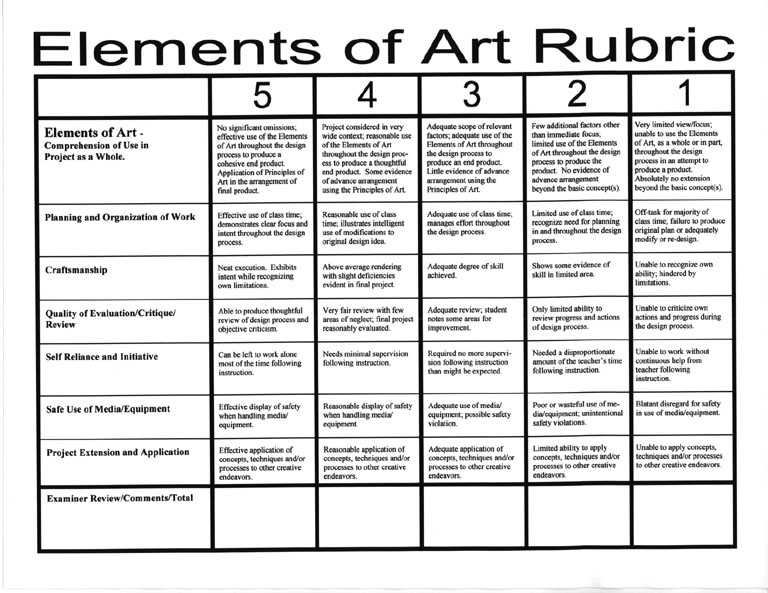
Rubrics are popular assessment tools for many teachers. Like grades and other traditional assessment methods, rubrics fail students.
The problem with rubrics, like letter and number grades, is that they are a one-size-fits-all form of assessment and they are subjective. Rubrics use words like, "seems," "little," "mostly," "adequate," "some" and "weak," to name a few.
Although narrative feedback, the method of assessment that should eliminate grades and rubrics, may use subjective words in some cases, the feedback is far more specific and individualized. If the feedback says, "Very well done overall," this will be followed up with a careful explanation of what was done well. Rubrics don't do this, so even students who meet the learning outcomes don't know how they did it, based on a rubric.
Consequently, learning is lost. For example, on a major project, a part of a rubric may say, "Work displays adequate attention to detail." This statement has virtually no meaning. I'm not sure what "displays" means in this context, and "adequate" is a completely inadequate word in virtually every case. Finally, vague statements like this do not explain what detail the teacher wants. If providing meaningful narrative feedback, I would mention the detail specifically. If it's a science project on hurricanes, I might say or write something like:
"Your project only partially demonstrates that you understand hot towers, based on the lessons and models from class. You need to add two or more captions to your drawing, explaining how the towers power the hurricane. Please make the necessary changes and resubmit."Not only does this feedback specify what is missing, it asks the student to return to the work, make changes and resubmit. Because a rubric is a one-size-fits-all tool, it does not meet the needs of each individual and, consequently, fails students.
Can you justify your use of rubrics?

Hey. I would add two things. One: Unfortunately, part of the problem is the plethora of poor rubrics in circulation. I have seen good rubrics raise the level of output, conversation, and growth in children. I am a fan of having the kids help you develop the rubrics you/they will be using. A solid rubric given at the beginning of a project let's the kids know what to expect. My second point is: balance. There is a place for a solid, well thought out rubric and there is a place for narrative feedback that you are suggesting. As they say, too much of anything is bad for you and your students!
ReplyDeleteHey Michael, you make some solid points here. I think student involvement in creating a foundation for feedback is wonderful. A simple question like, "What would you expect this to look like?" can go a long way to helping a kid grow as an independent learner.
DeleteI like balance, but I don't think there is such a thing as too much narrative feedback. Thanks for weighing in on this.