.jpeg)
7 Characteristics of Quality Summative Assessments
By Reed Gillespie
Recently, much of the talk in educational circles has been
on formative assessment--and with good reason--but in the process we've lost
focus on creating effective summative assessments.

Reed Gillespie writes about education for Brilliant or Insane. Learn more about Reed on our Team page. Follow Reed on Twitter here.
.jpeg) |
| via wikimedia.com |
Today the term "summative assessments" conjures up images of standardized tests, benchmarks, data collection, and exams. In many ways, these have been over-emphasized to the point that we've missed the true value of summative assessments. I need look no further than many of my own tests, which over-emphasized multiple choice questions in an attempt to mimic our state tests, as an example of what summative assessments should not be.
We must move away from summative assessments being synonymous with district, state and national tests. Summative assessments should play an integral part in our educational system.
And how about what summative assessments should be? These seven characteristics comprise a quality summative assessment:
We must move away from summative assessments being synonymous with district, state and national tests. Summative assessments should play an integral part in our educational system.
And how about what summative assessments should be? These seven characteristics comprise a quality summative assessment:
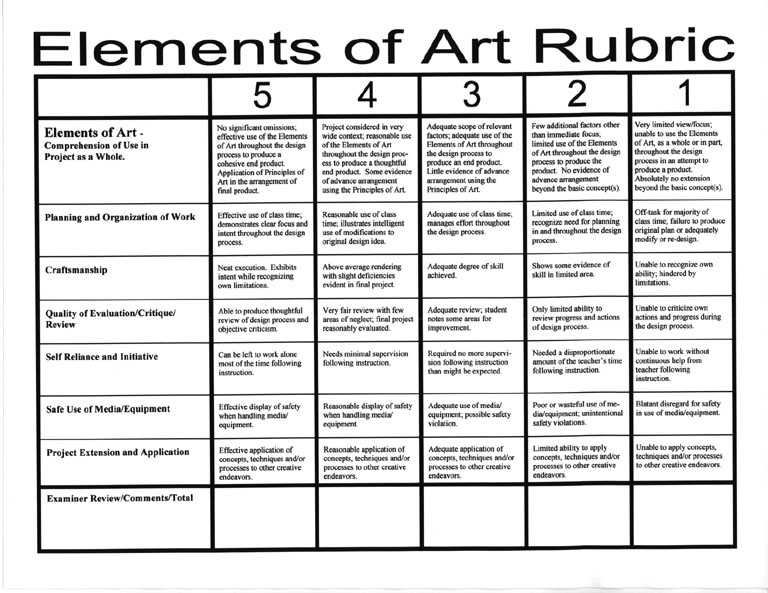
- Quality summative assessments should be pre-defined by a group of teachers and involve the students. So as tempting and time-saving as it is, we shouldn't sue pre-crafted rubrics or textbook created tests.
- Assessments must provide students with the opportunities to demonstrate what they know.
- Challenge students to transfer what they've learned to specific and real-life tasks.
- All assessments should correspond with important learning targets and essential questions so they yield true information about student progress.
- Summative assessments must provide meaningful feedback to both the student and teacher. By doing so, assessments help increase student motivation to learn. Nonjudgmental feedback motivates students for further effort, while using grades as rewards or punishments decreases student motivation.
- Incorporate 21st century skills and content into assessments.
- Summative assessments should not be limited to high-stakes tests.
The purpose of any summative assessment is to provide
meaningful reports on students’ achievement, and effective summative
assessments help students achieve to their highest abilities.
Reed Gillespie writes about education for Brilliant or Insane. Learn more about Reed on our Team page. Follow Reed on Twitter here.